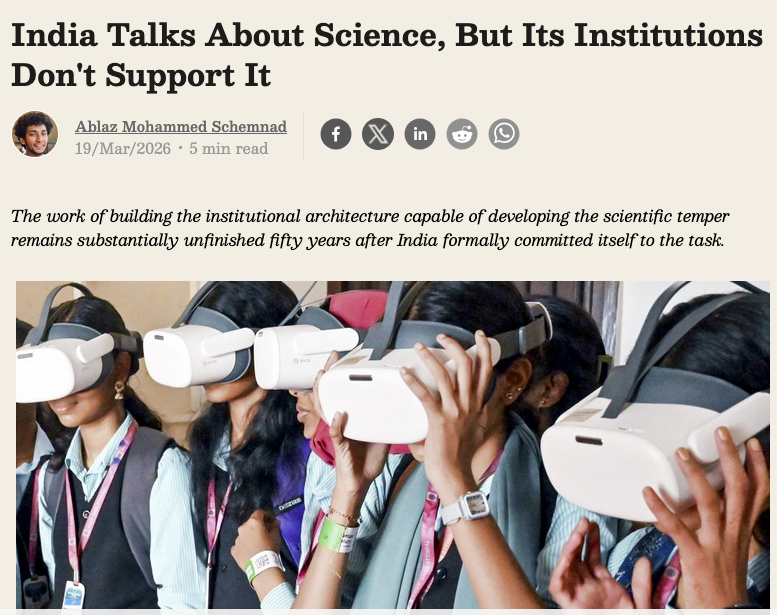
Building on Constitutional Ambition: The Next Chapter of Indian Scientific Architecture
Earlier this year at the 3rd Global Diamond Open Access Summit, I met Ablaz Mohammed Schemnad, a young, highly dedicated, […]
We are glad to announce our strategic partnership with ScienceOS, an AI-powered research platform committed to transparent and researcher-controlled workflows. This collaboration marks a significant step forward in our mission to promote more equitable, transparent, and context-aware research practices globally.
Multilingual open science communication is growing fast. Charleston Conference Asia 2026 will host a workshop in January 2026 in Bangkok,
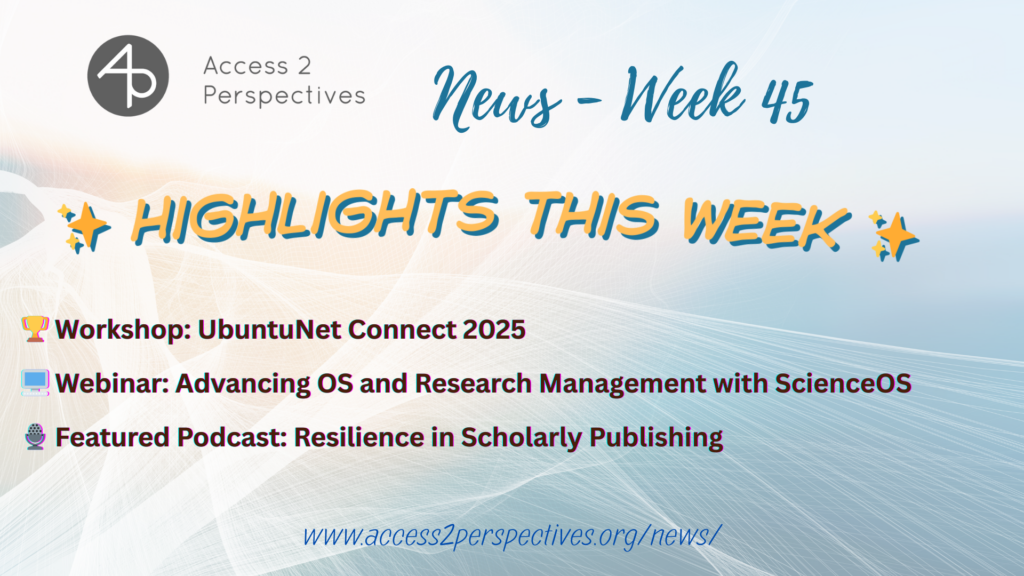
In this week’s issue, we reflect on our time at UbuntuNet-Connect 2025 in Harare, Zimbabwe, where we facilitated the Open
A Personal Reflection by Nyambura, from the Conference Discussion Session. AI in Peer Review: Promise, Pitfalls, and Practical Pathways was
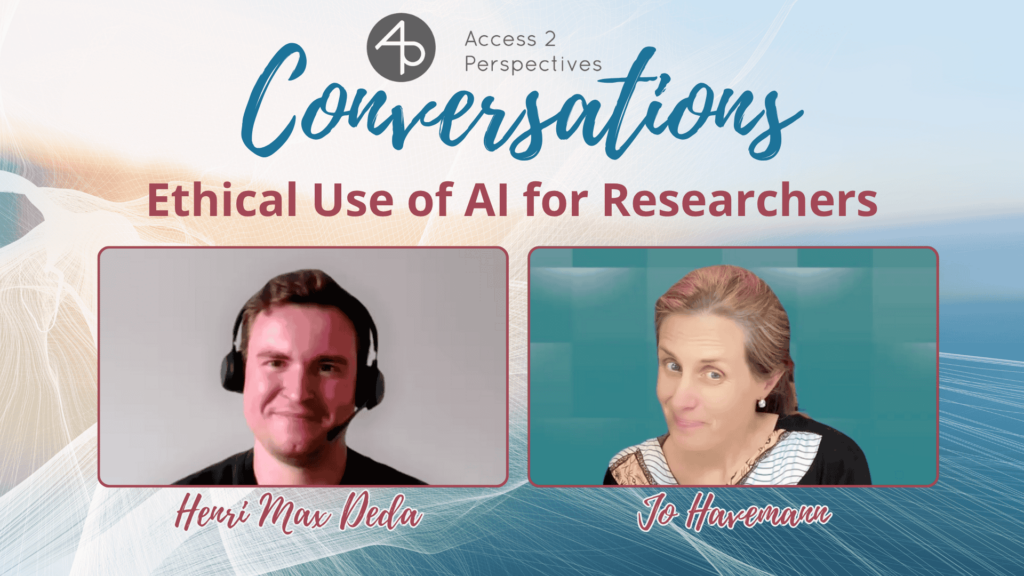
In a world where scientific progress holds the key to solving humanity’s most pressing challenges, Henri Max Deda, co-founder of scienceOS.ai, shares his journey from molecular biologist to science communicator and entrepreneur. Speaking with Jo Havemann, Deda reflects on how his diverse background and a pivotal lecture on the “Network Effect” inspired him to co-create a platform that empowers researchers to collaborate and innovate more effectively.
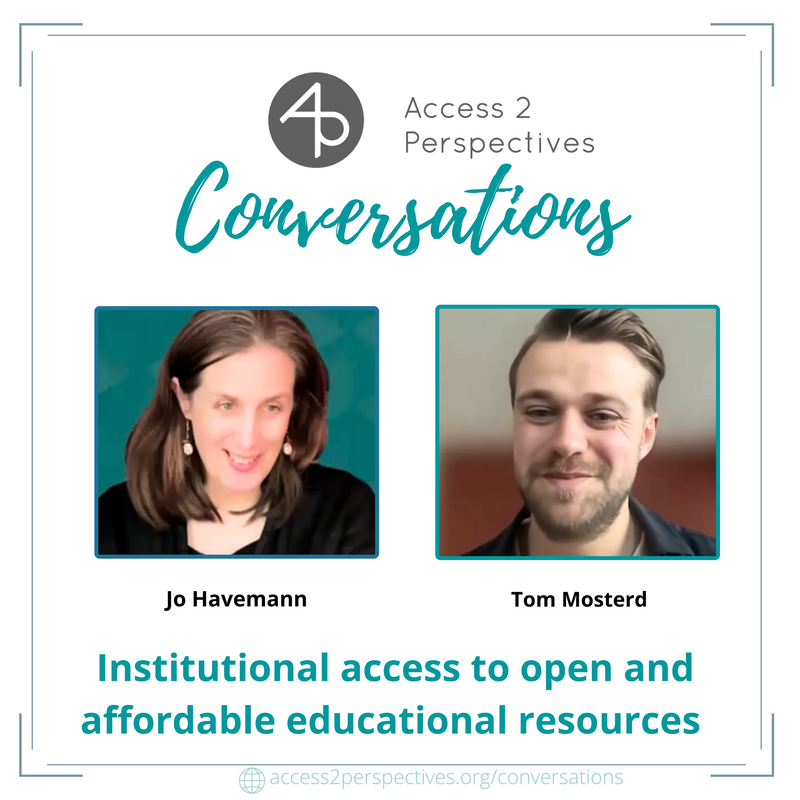
In this episode, Tom Mosterd – co-founder of Sylla, talks about his journey in the open-access movement and the vision
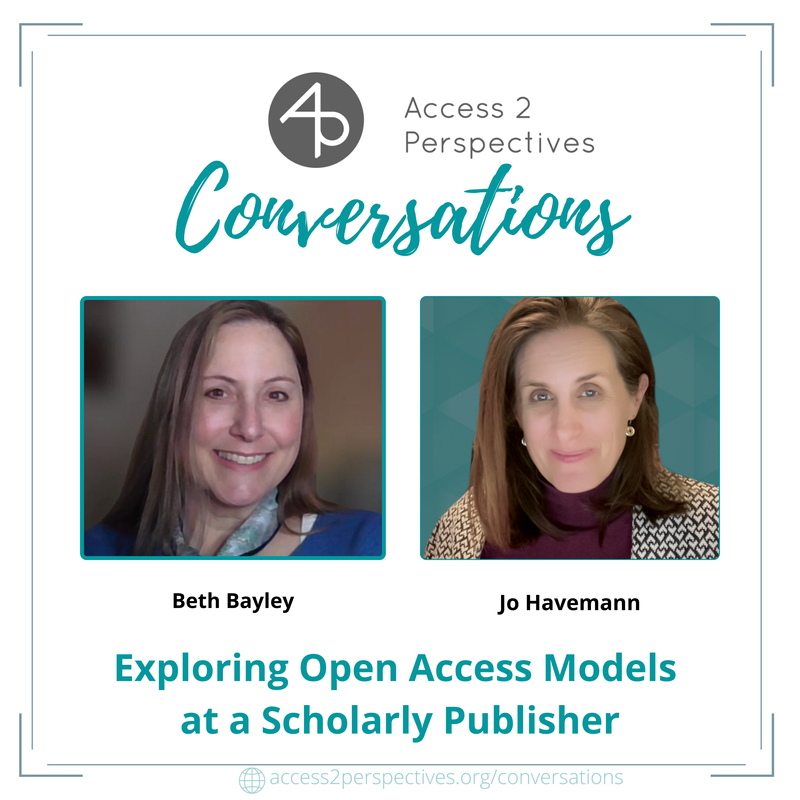
Beth Bayley is the Open Science Manager at Karger Publishers, a health sciences publisher based in Switzerland. She co-leads Karger’s
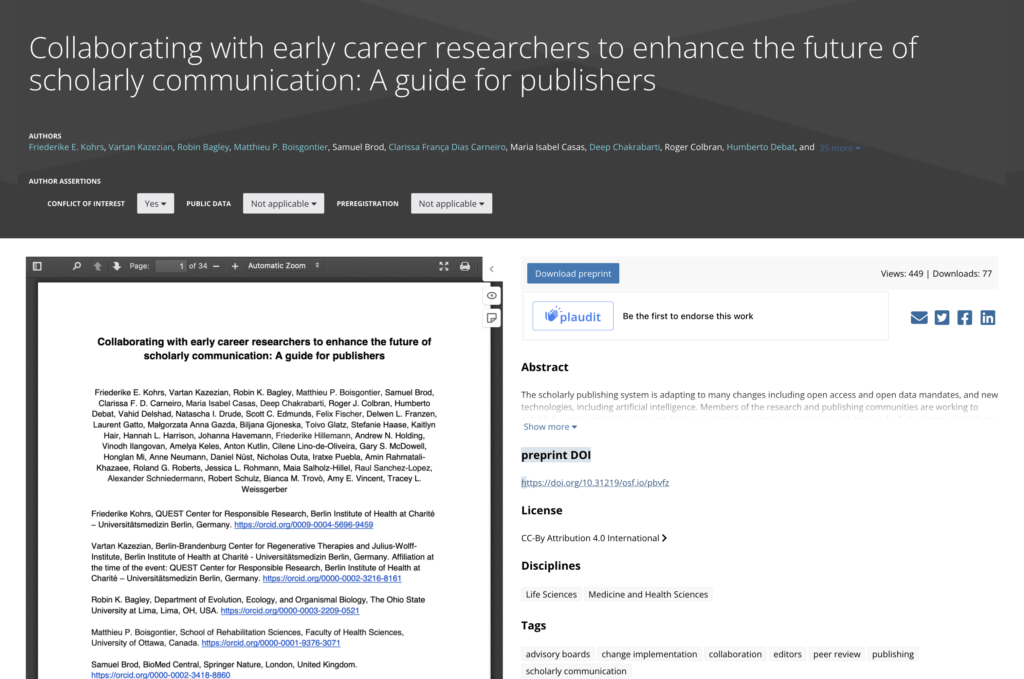
In the ever-evolving landscape of scholarly communication, publishers are increasingly exploring new ways to keep pace with advancements in open access, open data, and emerging technologies like artificial intelligence. A new research article, Collaborating with Early Career Researchers to Enhance the Future of Scholarly Communication: A Guide for Publishers, dives into how publishers can engage with early career researchers (ECRs) to shape a more innovative, fair, and inclusive publishing ecosystem.
We were enormously honored to deliver a workshop on Open Science, Open Data and Open Repositories to librarians at the 2024 Zambia Research and Education Network (ZAMREN) Week & Annual General Meeting.