

Newsletter • Week 46/2025
In this week’s edition, we briefly explore resilience in times of crises, highlighting how Open Science can withstand geopolitical pressures […]
In this week’s edition, we briefly explore resilience in times of crises, highlighting how Open Science can withstand geopolitical pressures […]
When we started our Open Science training with librarians, we kept coming back to one powerful statement that laid the
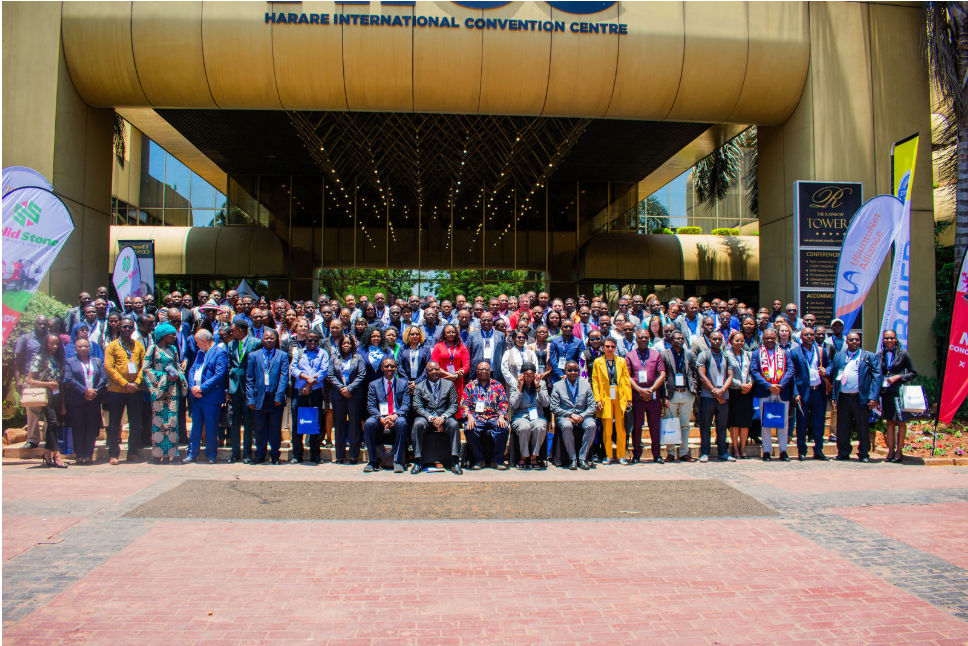
In this week’s issue, we reflect on our time at UbuntuNet-Connect 2025 in Harare, Zimbabwe, where we facilitated the Open

This edition features a recap of our 2023 and 2024 Open Science workshops in Uganda and Tanzania, as we prepare

It was a great honor and pleasure to watch all excellent entries and of course a difficult task to discuss and agree on the winners. Please make sure to explore all entries yourself as well to learn about the outstanding research and scicomm skills the students put their time and effort towards ❤️✨💫🎓🔬📚
This week, we share how preprints and open scholarship are transforming African research, plus what to expect at UbuntuNet Connect

What would a healthier academic life look like for you? Most of us have learned to normalize stress, fatigue, and

As conversations around Open Science continue to evolve, this week’s newsletter brings together key reflections, tools, and conversations shaping the

Discussing the ethical and integrity-related aspects of Open Science at this BEACON webinar was a great pleasure. The event was organised by Africa Bioethics Network’s marvellous Mercury Shitindo and Umazi Munyikah. I was equally honored to be able to co-present with Professor Walter Jaoko from the University of Nairobi.

Sergio Santamarina works as a librarian at a public university in Argentina, and has a focus on open science practices and challenges in Latin America. Together with Jo, he explores issues around open access publishing requirements, the cost barriers for obtaining Digital Object Identifiers (DOIs) in Latin American universities, and the importance of decentralized networks and persistent identifiers in research.