
ASAPbio/COAR Survey about Preprint Sharing in Repositories
Our partners at COAR and ASAPbio are conducting a survey of preprint sharing in institutional and other generalist repositories. ASAPbio […]
Our partners at COAR and ASAPbio are conducting a survey of preprint sharing in institutional and other generalist repositories. ASAPbio […]
It is with heavy hearts that we write this post in response to the recent and sudden death of Victor Venema, founder of Translate Science. We extend our heartfelt condolences to his family and friends. Victor was the driving force behind Translate Science — an initiative to facilitate and foster the translation of scientific texts.
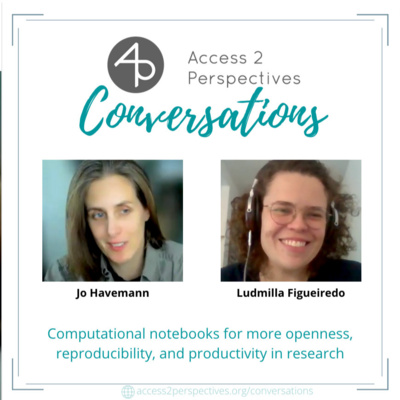
Ludmilla Figueiredo is a research data and code curator coming from a background in ecology and conservational biodiversity. In the
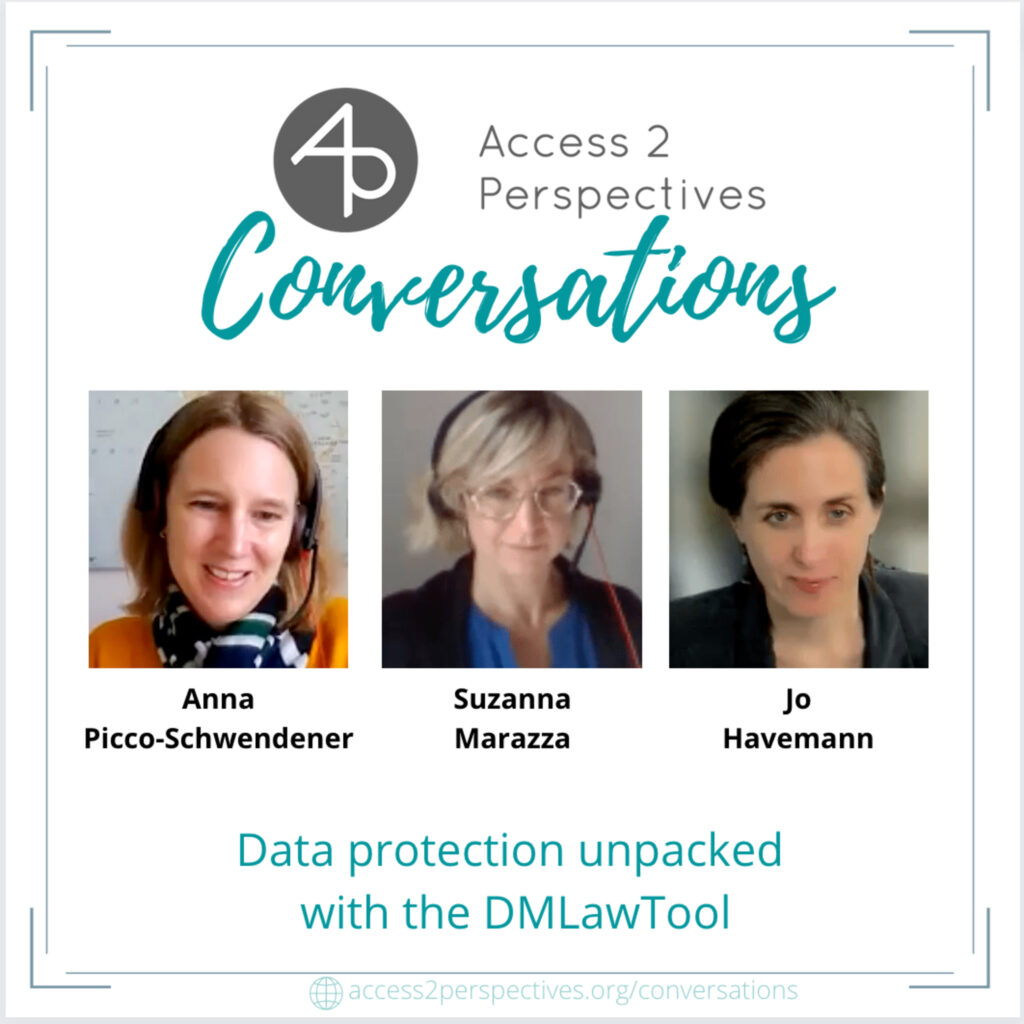
Anna Picco-Schwendener is a Postdoctoral Researcher while Suzanna Marazza is a Legal consultant. They both work at USI Università della
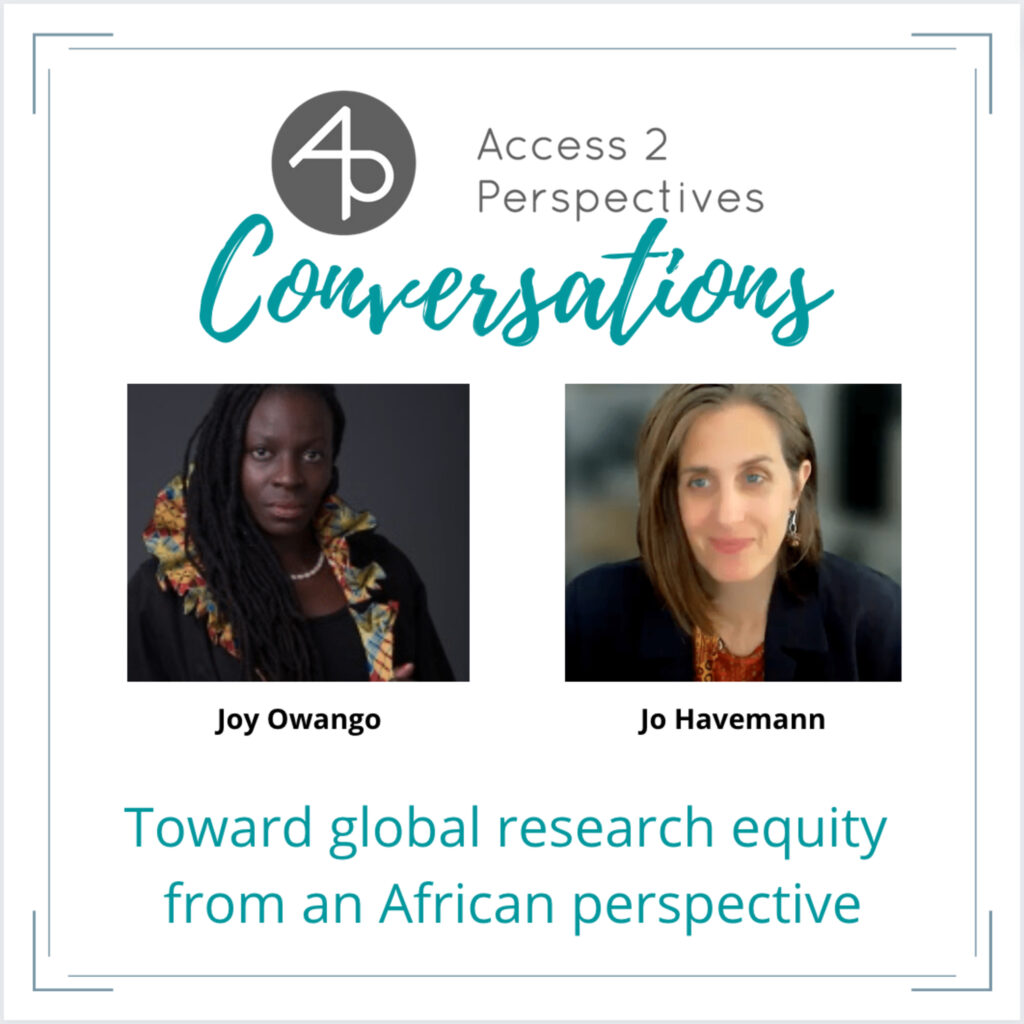
Joy Owango is the executive director of TCC Africa, the Training Center in Communication, based in Kenya and serving the
Zoë Mullan is Editor-in-Chief of the open access journal, The Lancet Global Health. She is an Ex-Officio Board Member of the Consortium of Universities for Global Health; an International Advisory Board member of Sun-Yat Sen Global Health Institute, Guangzhou, China; and a Scientific Advisory Board member of the Centre for International Health Protection at the Robert Koch Institute, Berlin, Germany.
Richard Jefferson is a molecular biologist, social entrepreneur, inventor, open information systems proponent and innovation system strategist. He founded Cambia almost 30 years ago, as a means to democratize science-enabled innovation. He works on “Solving the Problem of Problem Solving”
He discusses his journey into molecular biology, social entrepreneurship and invention with Jo in this podcast.
Erzsebet Toth-Czifra is an open science officer at DARIAH-EU in Berlin, Germany. She has also worked as a content integration manager, external lecturer, and language teacher in Budapest, Hungary. She shares with Jo what Open Science means to her personally and professionally in this podcast.
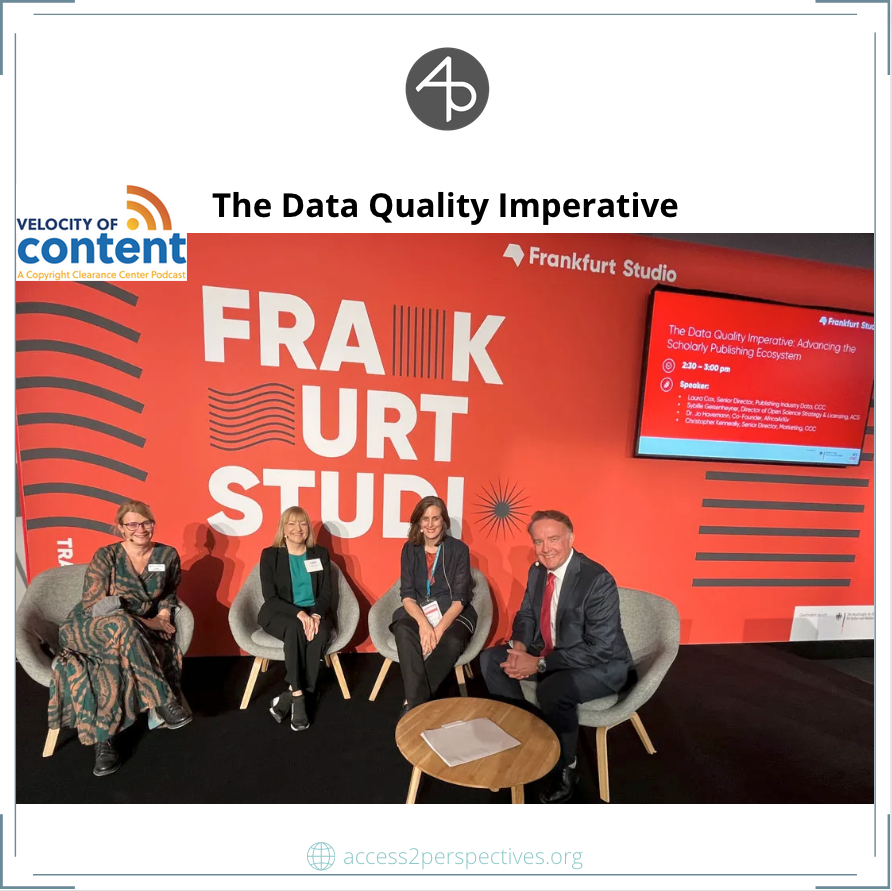
From manuscript preparation to business-related best practices, scholarly publishers increasingly integrate data capture and analysis into their systems. These efforts are considered essential to enable interoperability, ensure transparency, and build trust with authors, funders, and institutions.
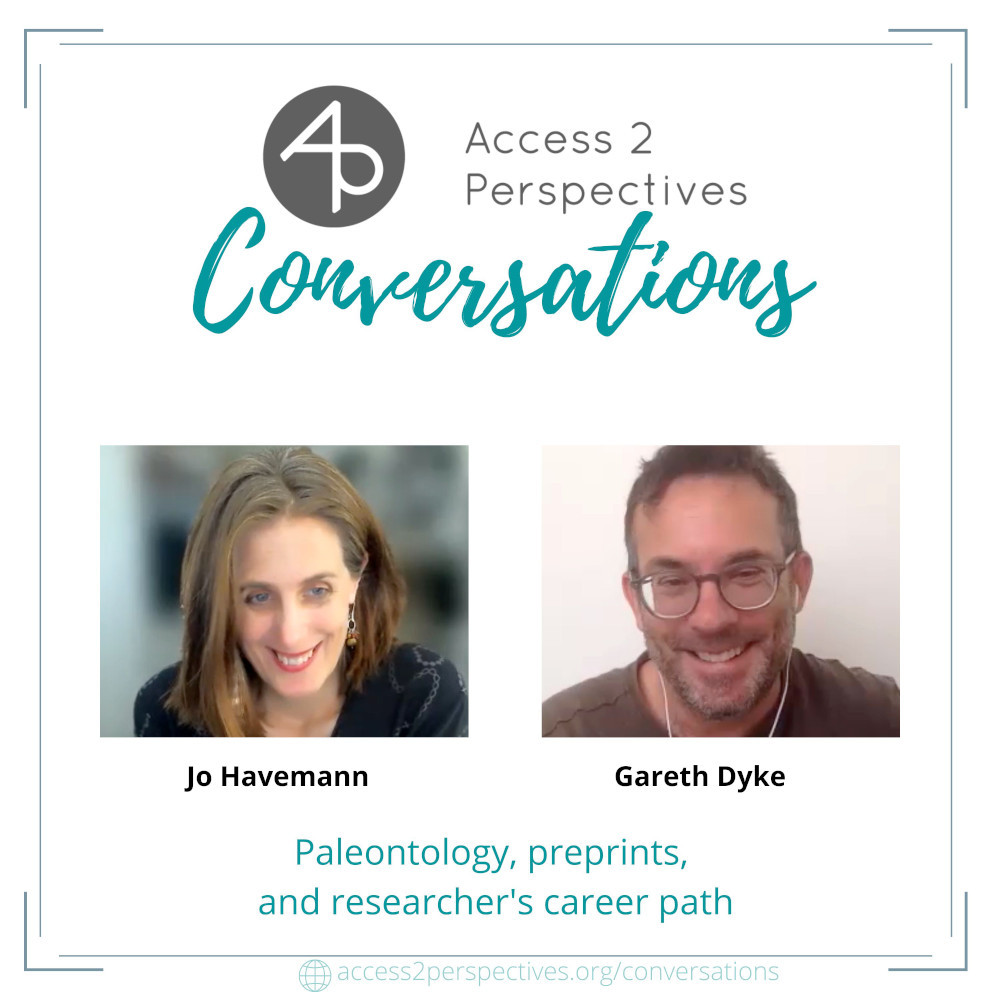
Gareth Dyke shares his wealth of experience on Open access, preprints and scholarly publishing with Jo.